
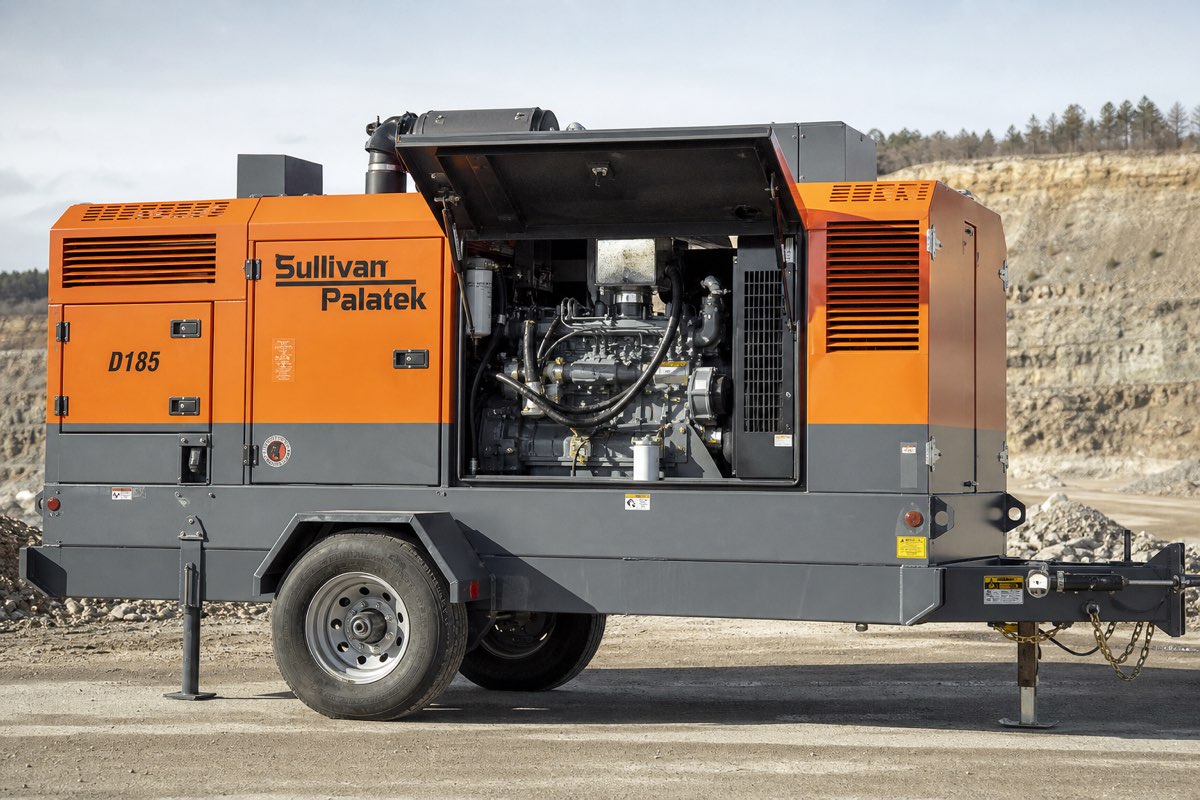
Air compressor rental cost
Air compressor rental typically runs from roughly $1,200 a month for a small towable diesel to $20,000 or more for a large electric unit. The estimates below give realistic monthly ranges by type and size, and the sections explain what moves the number. We do not set prices, we route your request to vetted providers who each quote independently against your job.
By Industrial Rental Co Editorial Team Reviewed July 2026
- Monthly rental ranges by compressor type and size
- Cost drivers explained: size and CFM, fuel, duration, accessories
- Electric, oil-free, and towable diesel side by side
- Independent quotes from insurance-verified providers
What air compressor rental costs
| Compressor type and size | Typical monthly rental range |
|---|---|
| Electric rotary screw, 50 to 100 HP | $1,500 to $4,000 |
| Electric rotary screw, 200 to 400 HP | $4,000 to $9,000 |
| Oil-free electric, 100 to 300 HP | $5,000 to $12,000 |
| Towable diesel, 185 to 400 CFM | $1,200 to $3,500 |
| Towable diesel, 750 to 1600 CFM | $3,500 to $9,000 |
| Large electric, 500+ HP | $9,000 to $20,000+ |
Ranges are estimates for planning only, not quotes. Each provider prices independently based on the specific equipment, location, rental duration, and accessories such as dryers, receiver tanks, and fuel. Use these figures to budget, then submit a request to get firm numbers for your job. Rates last reviewed June 2026; figures are typical ranges from third-party providers, not quotes, and vary by region, duration, and availability.
How size and CFM drive the price
Capacity is the first thing that moves a rental rate. A small electric rotary screw in the 50 to 100 horsepower band rents for far less than a 200 to 400 horsepower machine, and a large 500 plus horsepower unit sits higher again, because bigger compressors cost more to own, transport, and service. On the diesel side, the same logic runs by airflow: a 185 to 400 CFM towable is one of the most affordable options, while a 750 to 1600 CFM machine commands a multiple of that as the air volume climbs. The table above reflects those steps.
The practical takeaway is to size to the real load rather than over-buying capacity. A machine that is larger than the job wastes money every month it sits, while one that is constantly maxed out runs hot and can stall the work. Adding up the CFM your tools and process points consume, then leaving sensible headroom, lands you in the right row of the table and keeps the quote honest. Oversizing for comfort is one of the most common ways a rental budget drifts.
- Horsepower and CFM are the primary rate drivers
- Diesel scales by airflow, electric scales by horsepower
- Oil-free carries a premium over comparable lubricated units
- Sizing to the real load avoids paying for idle capacity
Power source, fuel, and the true cost to run
The headline rental rate is only part of what a compressor costs to operate. Electric units, including oil-free electric machines, carry no fuel cost of their own but assume you have adequate power at the site, and oil-free models sit at the top of the electric range because of the engineering and treatment that keep the air clean. A diesel unit avoids any need for grid power, which is exactly why the towable diesel rows can look affordable up front, but the engine burns fuel for every hour it runs, and that fuel is a real and ongoing line item the rental rate does not include.
So the right comparison is total cost for your situation, not just the monthly number. On a site with good power, an electric machine is often cheaper to run once fuel is counted. On a remote site, a diesel unit avoids the cost and delay of bringing in temporary power, even though you pay for diesel. Telling providers where the machine will sit and how many hours it will run lets them quote a realistic operating picture rather than a rate that hides the fuel.
Rental term and accessories that change the total
Rental duration shapes the effective price as much as the equipment. Longer commitments usually carry better effective monthly rates than short stints, because mobilization, delivery, and pickup are spread across more time on rent. A two-week emergency rental and a six-month project rental of the same machine can land at very different monthly equivalents. Sharing your expected term lets providers quote a rate that reflects it rather than defaulting to a short-term number.
Accessories are the other variable that moves the total. Air dryers, receiver tanks, aftercoolers, filtration, and hose all add to the package, and on a diesel job fuel is its own line. A bare compressor and a fully outfitted air system with a refrigerated dryer and a large receiver are not the same quote even for the same machine. The estimates in the table cover the compressor itself, so listing the accessories your job needs gets you a number that matches reality instead of a surprise at delivery.
- Longer terms generally improve the effective monthly rate
- Delivery, mobilization, and pickup spread across the rental period
- Dryers, receiver tanks, aftercoolers, and filtration add to the package
- Diesel fuel is a separate, usage-based cost on top of the rate
Common questions
How much does it cost to rent an air compressor per month?
It depends heavily on size and type. A small electric rotary screw in the 50 to 100 horsepower range often runs roughly $1,500 to $4,000 a month, while a large 500 plus horsepower unit can reach $20,000 or more. Towable diesel units start lower, around $1,200 to $3,500 for the 185 to 400 CFM class. The table on this page lays out estimates by type and size, but every provider prices independently against your specific job.
Why is an oil-free compressor more expensive to rent?
Oil-free machines use a different air-end design and often pair with dryers and filtration to hit a strict air-quality spec, all of which costs more to build and maintain. That premium shows up in the rental rate, with oil-free electric units in the 100 to 300 horsepower range estimated around $5,000 to $12,000 a month. The extra cost buys air clean enough for pharmaceutical, food and beverage, and electronics work where any oil carryover is unacceptable.
Is diesel or electric cheaper to rent?
The towable diesel rows can look cheaper at the rate level, but diesel burns fuel for every hour it runs, which the rental rate does not include. On a site with adequate power, an electric machine is often cheaper once fuel is counted. On a remote site without usable power, diesel avoids the cost of bringing in temporary power even with fuel factored in. The right answer depends on your site and run hours, so the estimates here are a starting point, not a verdict.
What accessories add to the rental cost?
Air dryers, receiver tanks, aftercoolers, filtration, and hose all add to the package beyond the bare compressor, and on a diesel job fuel is a separate usage-based cost. A refrigerated dryer and a large receiver can meaningfully change the quote even for the same machine. The estimates in the table cover the compressor itself, so listing the accessories your job needs gets you a number that reflects the full system rather than a surprise at delivery.
Does a longer rental lower the monthly rate?
Usually the effective monthly rate improves with a longer commitment, because delivery, mobilization, and pickup are spread across more time on rent. A short emergency rental and a multi-month project rental of the same unit can work out to very different monthly equivalents. Sharing your expected term lets providers quote a rate that reflects the duration rather than defaulting to a short-term number, which helps the budget stay accurate.
Are these rental cost estimates guaranteed prices?
No. The figures on this page are planning estimates only, meant to help you budget, not firm quotes. Each provider prices independently based on the specific equipment, your location, the rental duration, and the accessories involved such as dryers, receivers, and fuel. To get real numbers, submit a request and we route it to vetted providers who quote against your actual job. Response times vary by location and provider availability.
Air compressor rentals
Where we route air compressor rentals
Get matched with air compressor providers
Your specs go on file with us, and we run the search for you, free of charge. Because we don't own the equipment, the match is about your needs, not our inventory. Response times vary by location and provider availability.